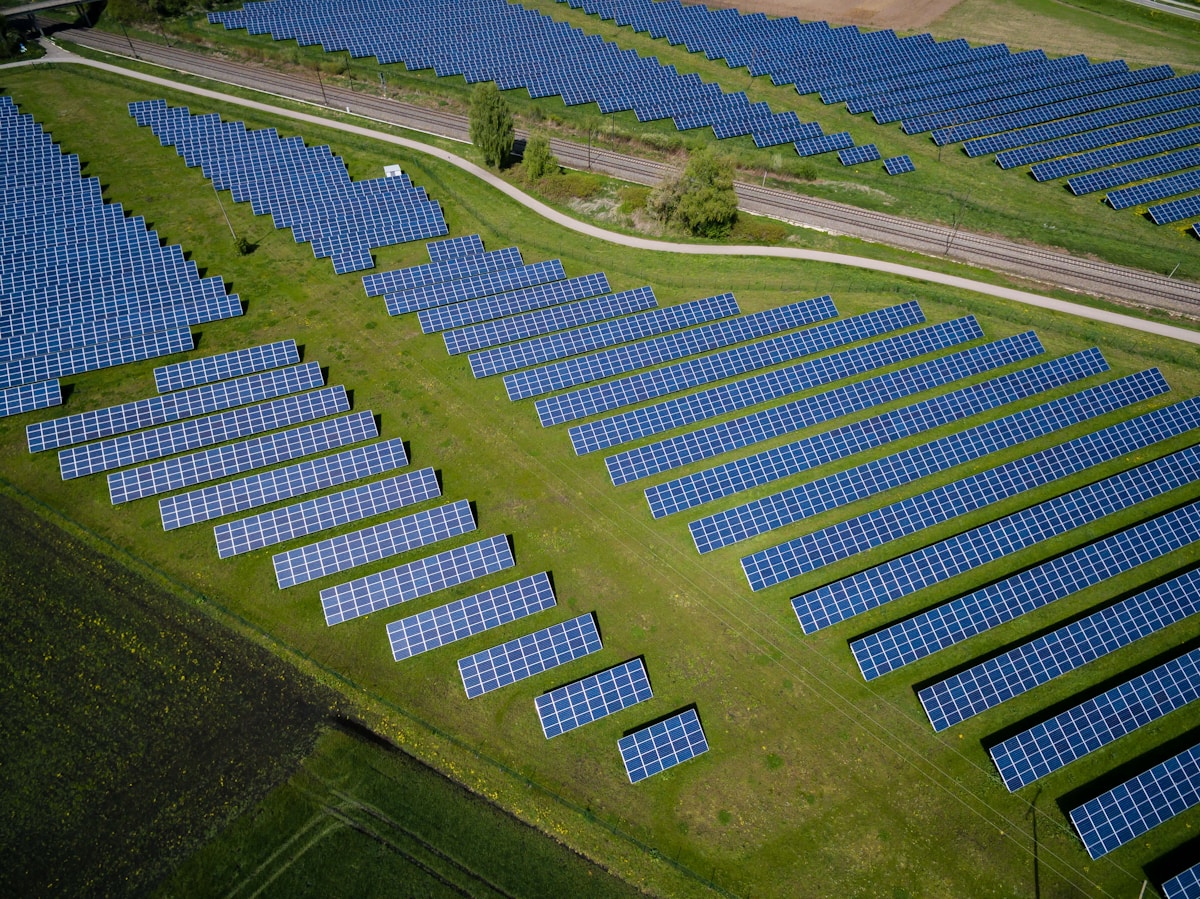
How to Choose the Right Solar Panels for Commercial Projects
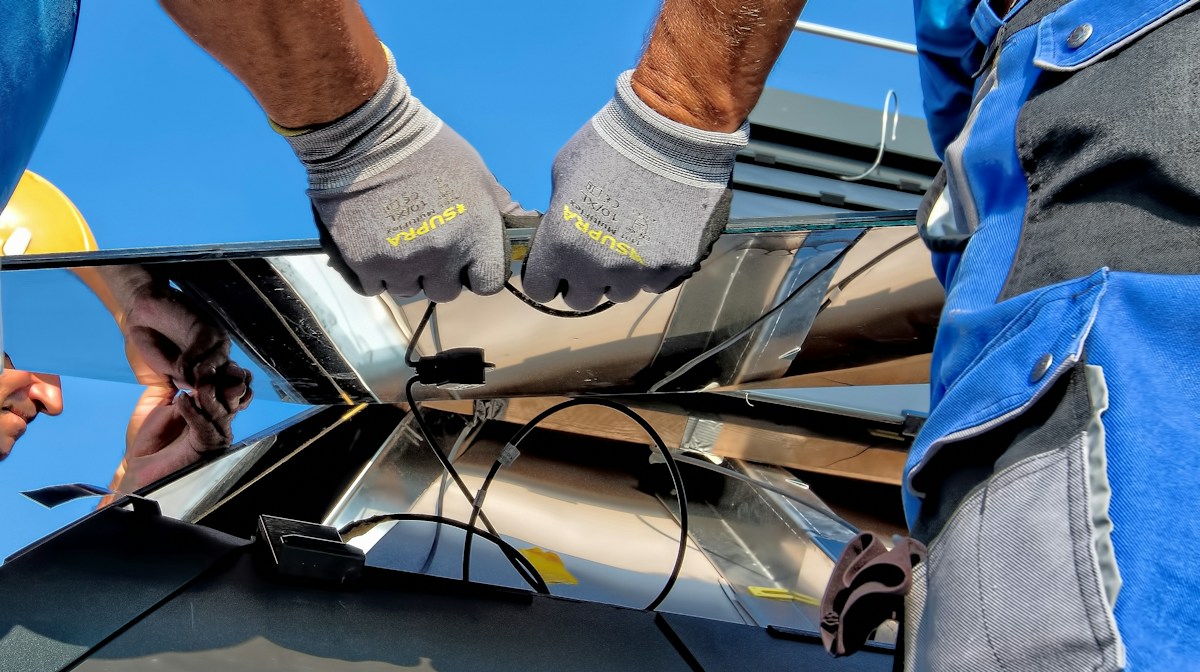
Selecting the right solar panels for commercial projects requires careful consideration of multiple factors. This guide helps you make informed decisions for optimal return on investment.
Understanding Panel Efficiency
Panel efficiency determines how much sunlight is converted into electricity. For commercial projects with limited roof space, high-efficiency panels (20-22%) maximize power generation. In the Middle East's intense heat, temperature coefficient becomes crucial - choose panels that maintain efficiency in extreme conditions.
Durability in Harsh Climates
Middle Eastern climates present unique challenges: extreme heat, sandstorms, and high UV exposure. Premium panels with reinforced frames, anti-reflective coatings, and dust-resistant surfaces ensure long-term performance. Look for certifications like IEC 61215 and IEC 61730.
Bifacial vs. Monofacial Panels
Bifacial panels capture sunlight from both sides, increasing energy yield by 10-20% in the right conditions. They're ideal for installations with reflective surfaces underneath. However, they require specific mounting systems and may not suit all projects.
Warranty Considerations
Commercial solar investments require robust warranties. Standard industry warranties include: - 25-year performance warranty (typically guaranteeing 80% efficiency) - 10-15 year product warranty - Extended warranties for commercial installations
Integration with Energy Storage
Modern commercial projects increasingly combine solar panels with battery storage systems. Ensure your panel choice is compatible with your preferred energy storage solution for maximum flexibility.
Cost vs. Quality Balance
While budget constraints are real, premium panels often deliver better long-term value through higher efficiency, longer lifespan, and lower maintenance costs. Calculate total cost of ownership over 25 years, not just upfront costs.
Written by UniteGreen Team